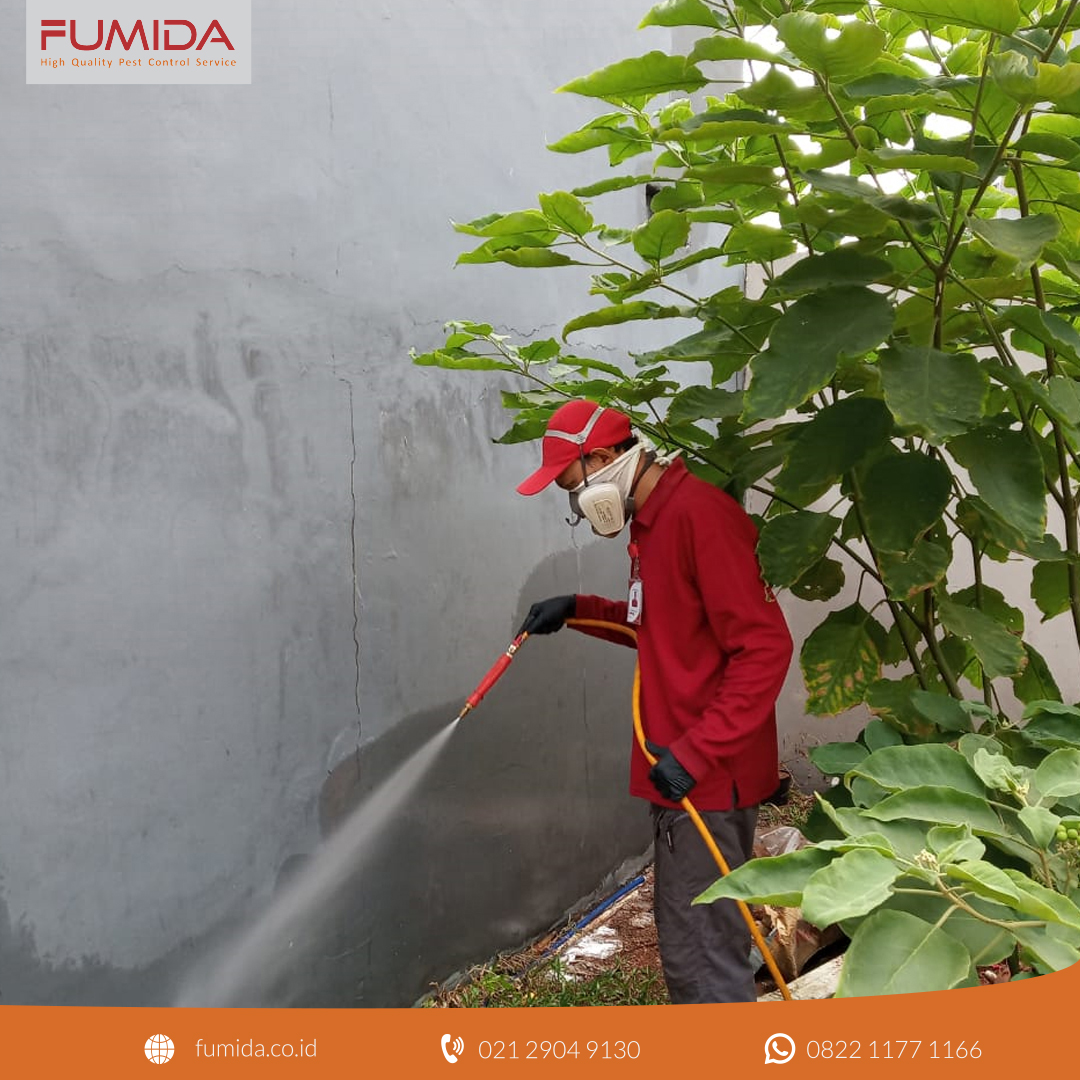
The expression "island-wide exclusion" is a reference to infrastructure-scale ambition but for Jakarta anti-termite service, it's actually a forensic discipline borrowed from biogeography. Every building is an island of ecological importance surrounded on all sides by compacted dirt as well as utility trenches, pavement and. The same methods that determine which termites populated Krakatau again after 1883 also determine whether or not Coptotermes can traverse a 5 meter concrete driveway in order to get to a Menteng Villa. Exclusion does not mean poisoning termites everywhere in Jakarta. It's about creating conditions that make the crossing impossible.
1. Sterilization is always a better option than poisoning
Only total sterilization and quarantine will ensure the complete elimination of islands. Heating is required for infested lumber removed from Jakarta homes during renovations. The colony cannot be removed by cutting down infested timber and throwing it into landfills. Instead it releases colonization boats into the trash stream. Professional exterminators must burn the infested materials on site.
2. Soil Chemistry Can Manufacture Exclusion Zones
In a few Indonesian island soils, soils that are acidic or lacking in nutrients stop termites from eating the soil. Jakarta's anti-termite services can reproduce this locally. Modifications in pH under slabs or around the perimeters of foundations using buffered acid or agricultural sulfur make a substrate that termites who grow fungus will not traverse through. The soil does not need to be poisonous. It only requires an environment that is hostile.
3. Connectivity is the lifeline for Colonies
Subterranean termites are not invading as distinct species. They are a superorganism which is spread throughout foraging tunnels. Severing landscape connectivity--removing wooden fences that contact soil, replacing organic mulch with river stone, eliminating brush piles and timber debris--fragments the colony into isolated pockets that eventually starve. The island-wide exclusion should begin at the property's boundary and not at the foundation wall.
4. Macrotermitinae can't cross the pavement
Macrotermes, Microtermes and Odontotermes are all termites that produce fungi. They require soil contact to keep their symbiotic gardens of fungi. In contrast to Coptotermes that create tubes of protection that span concrete for a lifetime, fungus eaters cannot create satellite nests inside isolated planter-boxes or elevated planters. A continuous vapor barriers under the structure will block the entire feeding network for good.
5. Tanjung Port Port Jakarta's Achilles Heel
When infected timber gets into the quarantine area, the island's exclusion falls into pieces. Tanjung Priok permits daily entrance of Coptotermes Gestroi as well as Nasutitermes colony-carrying shipping pallets and decorative crates as well as imported landscaping and furniture. Anti-termite service must examine not only the standing structure but every wooden object that is brought into the property following treatment.
6. A selection of wood species is an Exclusion Infrastructure
Acacia mangium, Paraserianthes Falcataria, and Hevea brasiliensis (rubberwood) dominate Jakarta's supply of community timber. These three species are not durable but highly attractive to termites. When you specify that these species can be used for structural repairs or door frames, as well as window jambs it is like installing bait-stations disguised as architecture. The inclusion of prohibited species in renovation contracts is mandatory for their exclusion.
7. Moisture gradients on Foraging highways are not a possibility to avoid.
Termites make mud tubes as their cuticles are dry below 70 percent relative humidity. Every evaporative area--leaking condensate lines for air conditioners, poorly graded flower beds and dripping hose bibs - creates an evaporation gradient of moisture that acts as an attraction. The exclusion process fails if moisture audits aren't included in routine inspections.
8. Above-Ground colonies signal the perimeter breach
Coptotermesgestroi has successfully colonized islands through building nests of cardboard in cavities or roof spaces. Colonies can survive for years without soil access. The exterminators have to treat the aerial nests like an island, engulfing the entire structure and fumigating it or heating it to eradicate.
9. Baiting Is Surveillance, Not Exclusion
Perimeter bait stations don't stop termites from entering. They are able to eliminate colonies within the area of the station. They are used as feed sites, which keep colonies alive when dry seasons occur. For a true exclusion physical barrier, it is necessary to construct. These could include stainless steel meshes, graded stones or bonded sand membranes or polymer sheets installed during construction.
10. The 1.6M Houses Historic
Dutch colonial administrators built or refurbished 1,6 million Javanese structures between 1911 and 1943 in an unprecedented exclusion strategy targeting plague-infested Bamboo construction. The Dutch colonial authorities succeeded in eliminating the plague however, they were unable to eliminate it culturally. Bamboo was banned, traditional houses were demolished and knowledge of the local community was lost. Jakarta termite control today has to remember that exclusion imposed without consent is experienced as the erasure. Strategies to exclude homeowners that they understand and adhere to voluntarily are the most effective.
Conclusion
The exclusion of termites across an island is not achievable by using chemical application schedules. This is accomplished through the manipulation of habitats, material quarantine, and physical barriers, and also deliberate engineering to produce an inhospitable soil. Krakatau's eruption proved that strict quarantine as well as complete sterilization can achieve suppression on a century-scale. Jakarta's antitermite services might not be able recreate the volcanic elimination of Indonesia but they're able to operationalize all other lessons in island biogeography. Termites use floating wood for crossing the water. They travel across pavements using edges of concrete. They cross property boundaries using organic mulch. Exclusion means to eliminate all vessels available. Take a look at the top jasa anti rayap for blog examples including cara membasmi rayap di lemari kayu, anti rayap terbaik, basmi rayap, pembasmi rayap, pembasmi hama, rayap rumah, harga anti rayap, lemari anti rayap, jasa anti rayap tangerang, anti rayap terbaik and more.
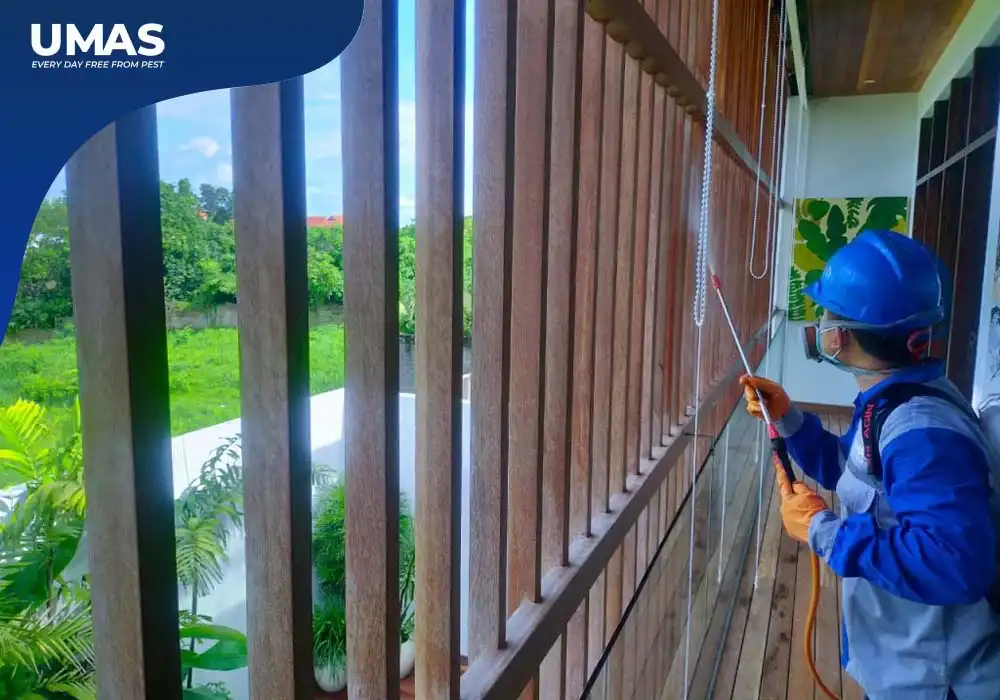
Fumigation Alternatives For Indonesian Villas, Such As Jakarta
Indonesian homeowners have been conditioned to believe that tent fumigation is the only solution for termites that penetrate wall cavities, roof spaces and timbers embedded. Fumigation companies propagate and reinforce this myth and are backed by homeowners' anxiety. The tent collapses, the neighbor complains, family evacuates the house for three whole days, and the colony inside the walls dies. Then the colony located in the garden unaffected by the gas, re-builds the foraging tunnels, and then re-enters the structure within eighteen months. The structure is cleaned by fumigation, however the landscape reservoir remains untouched. Jakarta's anti-termite firm is a service provider for the villa market, offers an alternative that is part of its position in the market. Tenting is not an option for clients with eight bedroom estates located in Pondok Indah. They want to eliminate the colony, without the glitz of evacuation or the danger of returning.
1. Baiting kills the colony; Fumigation kills termites within
Tent fumigation releases lethal levels of gas into every void in the building envelope. The entire termite colony in the building is destroyed. The colony living in the soil under the garden, driveway or neighbor's property does not die. Through trophallaxis, the bait delivers toxicant directly to the nucleus of the colony. The colony is destroyed. The structure becomes reinfestation-resistant because the source population is eliminated. If homeowners are aware of the difference, they rarely require fumigation.
2. Heat Treatment Permeates Where Gas is Not able to
Whole-structure heat treatment raises internal timber temperatures to 50 degrees Celsius sustained for one hour. The process eliminates all living creatures including eggs. There is no need for tenting and there aren't any chemicals left in the wood. The heat treatment is perfect for Indonesian villas with exposed beams, intricate carvings and heritage timber. The equipment is readily available. Contractors do exist. The homeowner's knowledge of the options available that are the problem and not the technology.
3. Electro-Gun Technology For Localized Infection
Microwaves that emit high-frequency radiation stimulate the wood's water molecules to produce deadly heat. They do not affect other materials. If a property owner finds termites that are active in the door frame roof truss, roof truss, or any another wood structure The electro-gun is able to eliminate the infestation without having to evacuate their home. This is not experimental; it is commercial technology that Jakarta exterminators do not import.
4. Wood Injection Systems Preserve Architectural Fabric
The termites won't be able to eat the timber for years if the liquid borate formulas are injected using pressure. The holes for drilling are smaller than the existing nail holes. The carving is still intact. The door frame is in its original position. Indonesian villa owner often reject the treatment in the event that exterminators offer it following offering replacement. If it is offered prior to replacement, the injections are generally accepted.
5. Baiting Above-Ground for Hidden Cavity Colonies
Tent fumigation was the most common method for Coptotermesgestroi when he established an aerial carton nest within the walls or in roof spaces. Above-ground stations which are connected to the mud tube active that emerges from the ceiling's corners of baseboards and secure them to them deliver toxicant direct to the nest. When construction workers return to the tubes that have been baited they are sucked up by their own nest. No tent. No evacuation. Six to eight weeks.
6. Nitrogen Freezing for Small-Scale Heritage Components
Termites that live in wood are killed quickly when liquid nitrogen is circulated around the infested wood. The cycle of freezing and thawing is repeated. This isn't chemical baiting however it is cryogenic. Nitrogen freezing is a great way to preserve the patina of museum-quality Javanese carvings or furniture. Treatment with heat or injection can darken the wood.
7. Physical Barrier Retrofits Prevent Reinfestation
The villa which fumigates each year, without ever installing physical barriers and is renting temporary sterility. The excavation along the perimeter of stainless steel mesh and polymer sheets prevents termites below ground from entering a structure. When paired with a permanent exclusion system, fumigation options could be extremely persuasive. Make a case for the combination by baiting to eliminate the colony, then installing the barrier so that it's the last colony to ever be able to occupy the structure.
8. Carbon Dioxide Purging for Enclosed Spaces
The termites who are trapped in these areas will die if they don't get enough oxygen. The tenting of the building is not required to provide confinement. CO2 is quickly dispersed and leaves no trace, and poses no risk for occupants who follow re-entry guidelines. Indonesian buildings with only roofing structures that are that are impacted by termites cannot be served well by fumigation.
9. The disclosure of Baiting Timelines for Upstream
Fumigation kills termites within seventy-two hours. Baiting can eliminate a colony of termites in six to 8 weeks. After mobilization, these villa owners utilized the tenting speed and rejected baiting. If the timeline is disclosed prior to contract execution, can be accepted as a cost to prevent evacuation. Jakarta anti-termite solutions that hide the duration of baiting until after the proposal has been delivered have their own close rate problems.
10. The Reservoir Colony Must Be Identified and targeted
In Jakarta the entire city is within a few meters of at least ONE colony that is located in the park, in a cemetery or an undeveloped zone. Fumigation ignores this colony. Injection, heat treatment or baiting will ignore this colony, except if they are specifically deployed over the entire perimeter of the structure. Landscape baiting grids are an effective fumigation option which targets the colony outside that could re-infest your house in 18 months. Pest control companies that treat the structure, but not the reservoir offer temporary relief and not lasting exclusion.
Also, you can read our conclusion.
Indonesian homeowners do not wish to move out of their residences. They don't want to set up tents on their lawns that are well-maintained. They don’t want neighbours asking about the ailment. They really want to destroy the colony and have the assurance that the colony won't come back. Fumigation will accomplish the first goal with a high degree of reliability, but the second one not at all. If used in conjunction with other protocols, and not as competing alternatives, the following techniques are able to be employed to accomplish both goals: baiting, heat treatments, microwave technologies wood injections, nitrogen freezing carbon dioxide purging physical barrier retrofits, etc. Jakarta anti-termite companies that present themselves as alternative providers of fumigation--carrying numerous elimination technologies, providing training to technicians in the selection of specific species-specific protocols, and documenting prevention results--will be able to capture the finest villa segments that are currently being held by tenting contractor. The equipment investment is huge. The training investment will continue. The market demand exists. Villa owners are looking for "fumigation options Jakarta" every day on a daily basis. The question is which exterminators will appear in search results that have credible, documented alternative protocols, and which will keep with the tent. Check out the top anti rayap jakarta for website tips including jasa anti rayap, jasa pembasmi hama, anti rayap kayu, jasa rayap, penyebab rayap, anti rayap, jasa anti rayap jakarta, anti hama, cara basmi rayap, anti rayap and more.